Reconnecting with Nature and Active Living
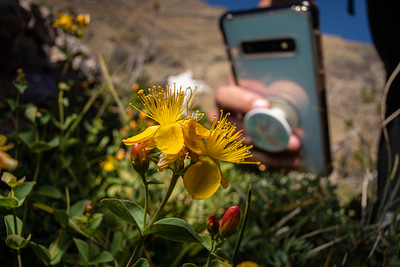
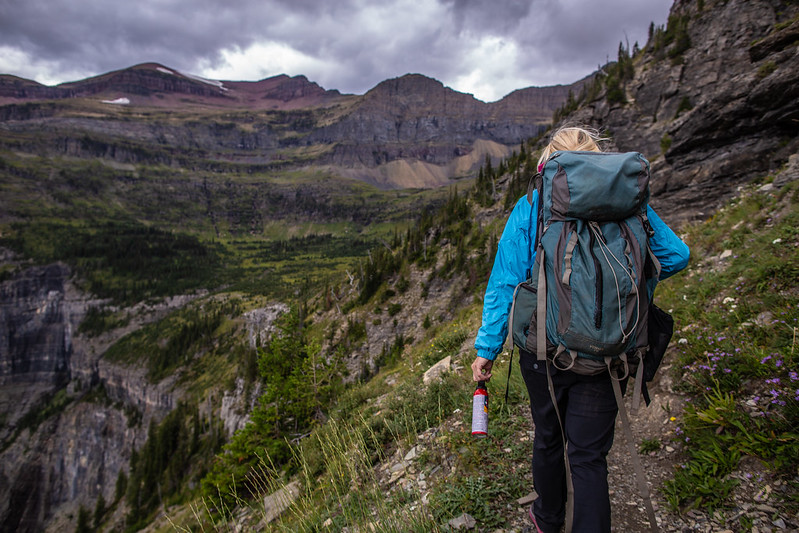
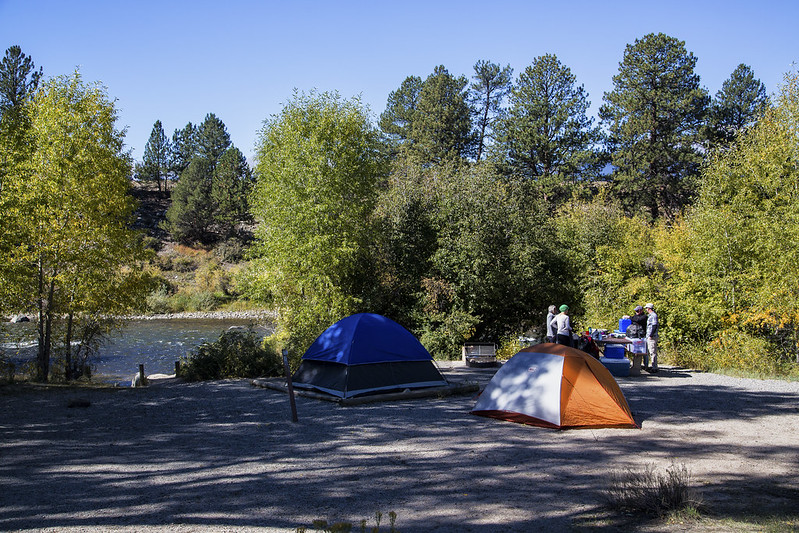
Spending time outdoors is one of the simplest ways to stay active, reduce stress, and protect your physical health. Getting out into nature helps you step away from constant news updates and build daily resilience.


Healthy habits you can start today:
- Exercise regularly through walking, cycling, or running.
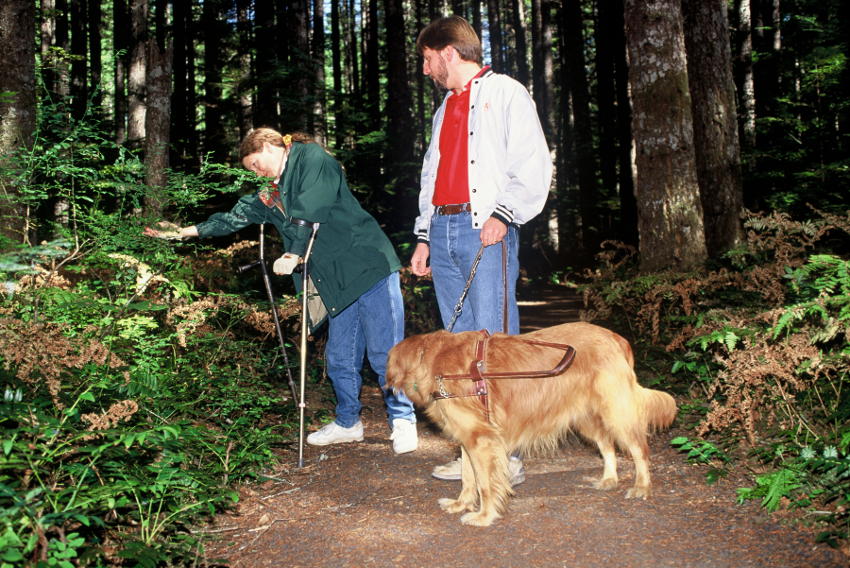
- Take daily walks in local woods or parks with family or pets.
- Get good sleep to give your body time to recover.
- Take planned breaks from social media and news feeds.

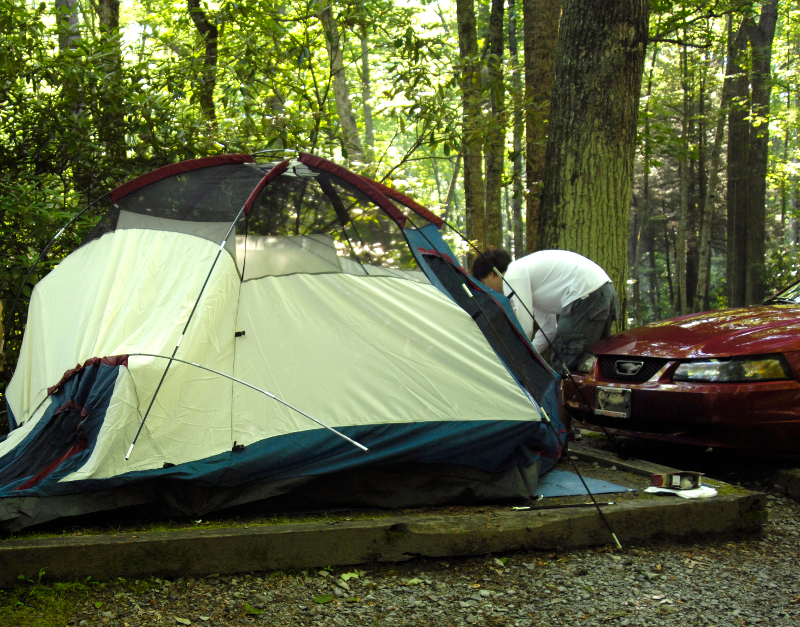
Make time to relax and do things you enjoy.
CDC Guidance: 6 Ways to Protect Your Immune System
According to the Centers for Disease Control and Prevention (CDC), your immune system protects you from daily infections. Simple healthy choices keep those defenses working strong.
1. Stay Active
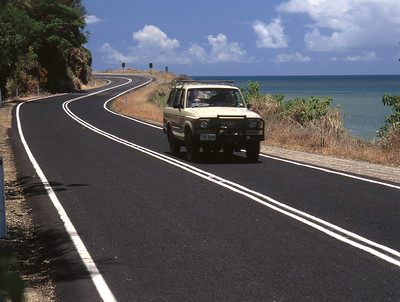
Aim for at least 150 minutes of moderate exercise each week (about 30 minutes of brisk walking, 5 days a week). This lowers your risk of severe respiratory illness. Learn more at CDC Physical Activity Basics.
2. Sleep Well
Lack of sleep weakens your body's defenses. Getting enough rest helps your immune system stay ready. See CDC Sleep Hygiene Tips.
3. Eat Nutrient-Rich Foods
Focus on fresh vegetables, fruits, lean proteins, and whole grains, while cutting back on processed foods and sugars. Check out CDC Healthy Eating Tips.
"Good nutrition helps you handle daily stress. Eat a balanced diet with plenty of water." — cdc.gov (Read CDC Produce Safety Guidelines).

Good foods to add to your meals:
- Citrus fruits: Oranges, Lemons, Limes, and Grapefruits (rich in Vitamin C).
- Berries and fruits: Apples, Blueberries, Strawberries, Raspberries, Kiwi, and Pineapple.
- Fresh vegetables: Peppers, Broccoli, Spinach, Carrots, Garlic, Ginger, and Sweet Potatoes.
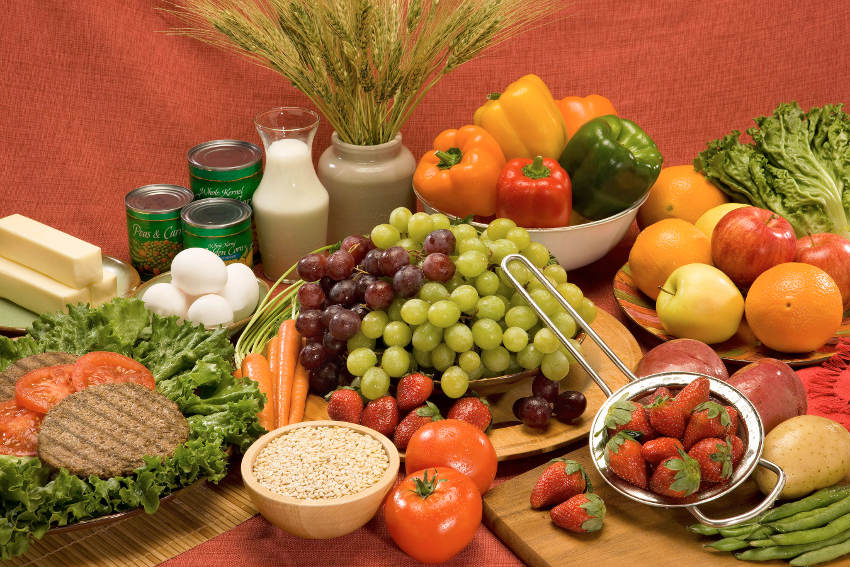
USDA ARS Photo by Peggy Greb
4. Keep a Healthy Weight
Maintaining a balanced weight reduces metabolic strain and supports your body's natural defenses.
5. Avoid Smoking & 6. Limit Alcohol
Smoking damages your lungs, and heavy drinking slows down recovery. Cutting back protects your respiratory system.


Clear Thinking in a Noisy World
Health isn't just physical — your mind needs rest too. Stepping away from endless news alerts and social media helps build a clean, manageable daily routine focused on real life.
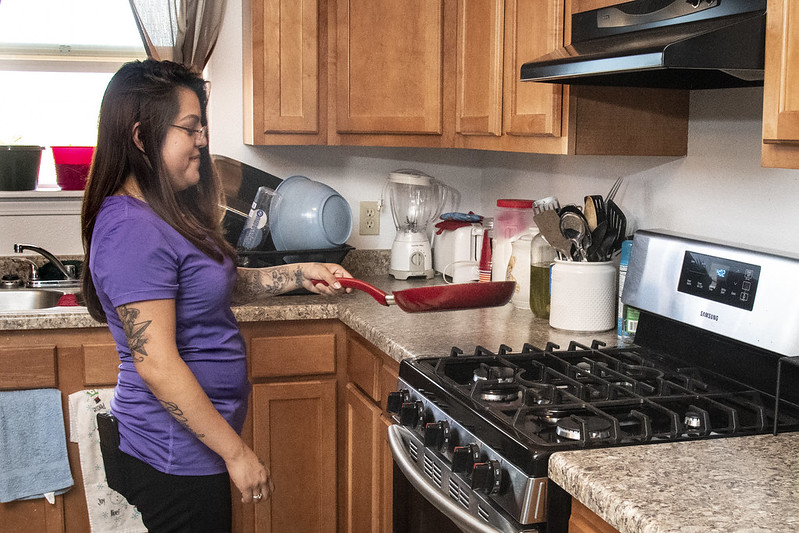
Building good daily habits is straightforward for most of us. But looking at a global map shows places where basic healthcare and food are extremely hard to reach.
While common viruses like COVID-19 are manageable during summer travel, other regions face far harsher health crises.
CDC Guidance (US) | NHS Guidance (UK) | Public Health (Canada) | WHO Guidance
DR Congo Ebola Crisis: When Distance Costs Lives
In the Democratic Republic of the Congo (DRC), health teams are responding to a fast-moving Ebola outbreak caused by the Bundibugyo strain. Official reports confirm over 8,700 cases and more than 4,200 deaths as the infection continues to spread rapidly across an area larger than France.
Containing the outbreak is severely complicated by terrain, distance, and food shortages:
- Long travel times: Most specialized hospitals and treatment centres are far away in cities like Bunia. Around 1 in 3 deaths happen at home or on the road before patients reach a doctor.
- Food shortages in isolation: When hospitals and treatment centres run out of food, hungry patients leave quarantine to find meals in nearby villages, accidentally spreading the virus.
- No approved vaccine: There is no standard vaccine yet for this specific strain, making hospital isolation and quarantine the main line of defence.
Because of this, aid agencies like the UN World Food Programme (WFP) are treating food as a frontline medical tool: supplying daily meals directly to hospitals and treatment centres so patients can stay safely in isolation and receive care.
How Direct Support Helps
Keeping hospitals stocked and patients fed stops the virus from spreading to new communities. Small, direct contributions make an immediate difference:
- A small donation provides daily meals for a patient in hospital isolation, keeping them fed and in care.
- Direct funding pays for fuel to drive food and medical supplies across unpaved roads to frontline hospitals.
You can support these emergency supply lines directly through official channels:
SUPPORT THE WFP EMERGENCY RESPONSE IN THE DRC »
Source: Official reports from the Ministry of Health (DRC), BBC, WHO, AFP, Reuters, ECDC, UN News, and WFP.