
The oaks (Quercus) are a genus of plants in the beech family (Fagaceae).
Oak species are deciduous or evergreen trees, more rarely shrubs.
Quercus is the most important genus of deciduous trees in the northern hemisphere, including species extending from cool temperate to tropical latitudes in the Americas, Asia, Europe, and North Africa.
The genus includes between 200 and 600 species (a variable figure according to authors, given the large number of hybrids), about twenty of which grow spontaneously in Europe. Oaks are keystone species in a wide range of habitats, from Mediterranean semi-deserts to subtropical rainforests.
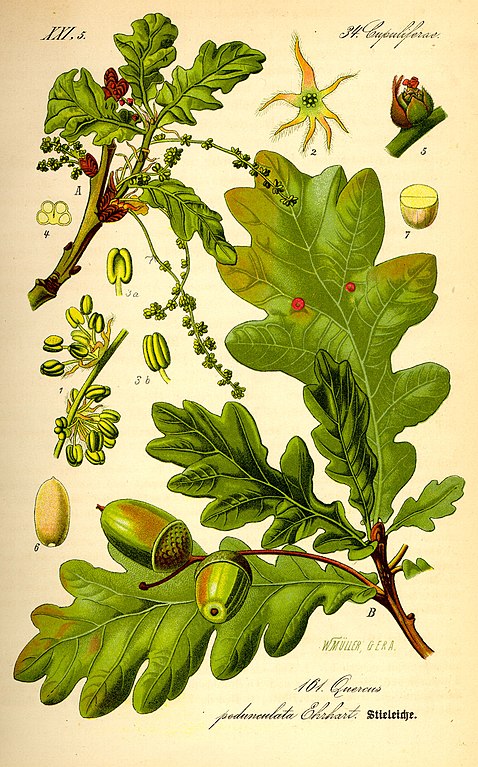
Quercus robur, the pedunculate oak
Depending on the location and species, an oak tree can reach a height of around 30 to 40 meters and live for over 1,000 years. An adult oak can daily pump up to 200 liters of water to a height of 30 meters.
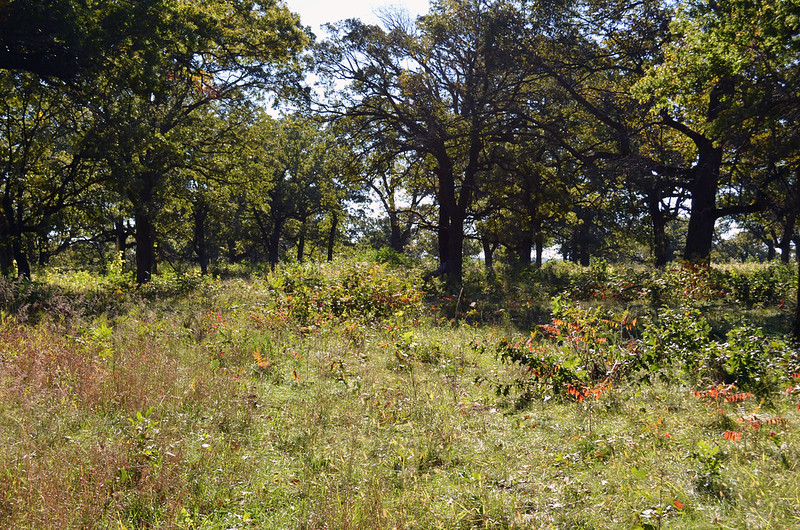
Oaks thrive in full sun in open spaces, colonizing extremely diversified environments. In primary subnatural mixed forests, an oak may take 100 to 150 years to reach the canopy due to its slow growth rate. However, this slow growth allows the tree to produce dense and hard wood, highly valued for many uses.
Where naturally present, an oak tree shelters hundreds of other species (particularly in its dead wood), to the point that ecologists often call it a biodiversity hotspot.
An oak forest is known as an oak grove, though oaks often form mixed forests in association with other hardwoods. In temperate regions, these distributions occupy vast land areas on a continental scale.
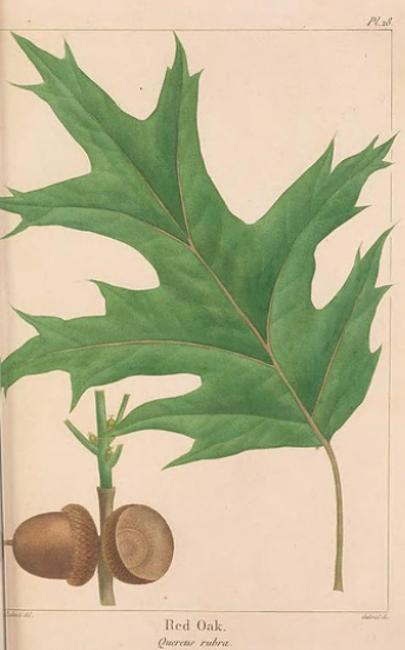
Quercus rubra, the red oak
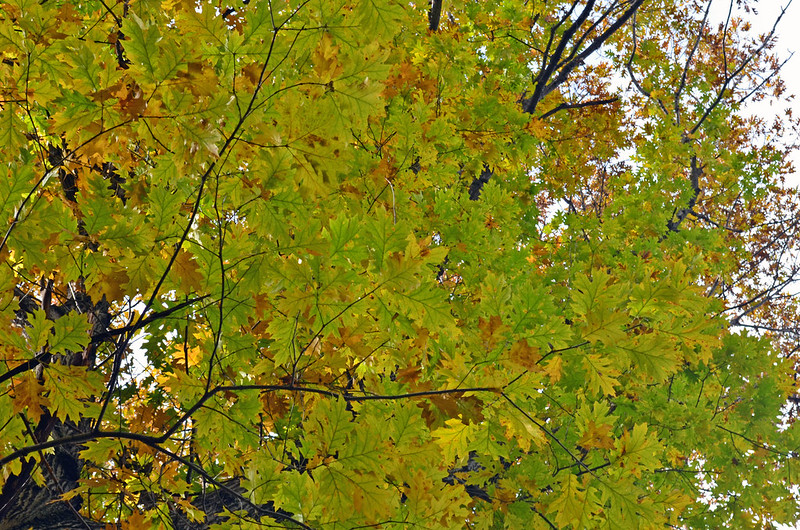
Botanists distinguish two main categories of oaks: deciduous oaks, whose foliage falls in autumn or spring (such as red oak, Turkey oak, pubescent oak, and sessile oak); and sclerophyllous oaks, whose leaves are evergreen, growing mainly on Mediterranean shores (such as holm oak, kermes oak, and cork oak) as well as in subtropical and tropical zones in America and Asia.
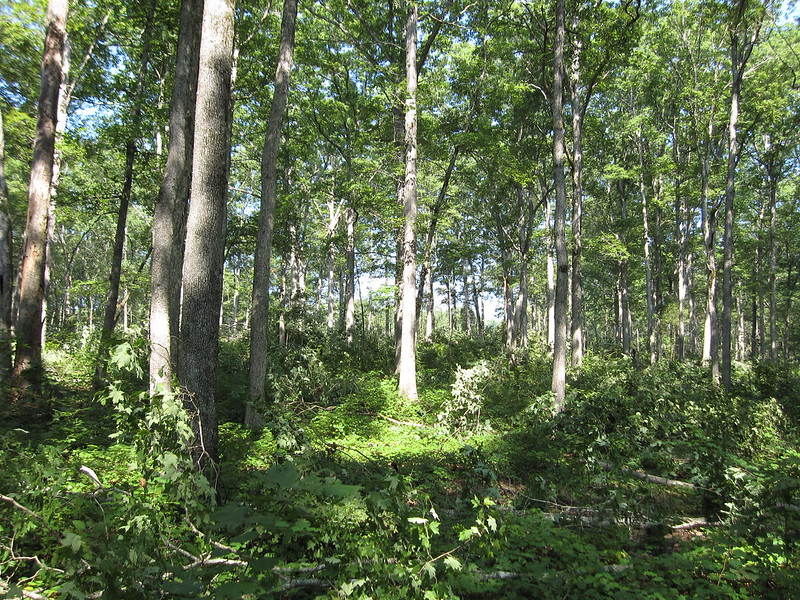
In Europe, oak is widely cultivated for its wood, cork, bark, and acorns. Oak wood has a high density (between 0.75 and 0.85 g/cm³), making it a very hard and durable material. Its resistance to insects and fungi is exceptionally high due to its rich tannin content.
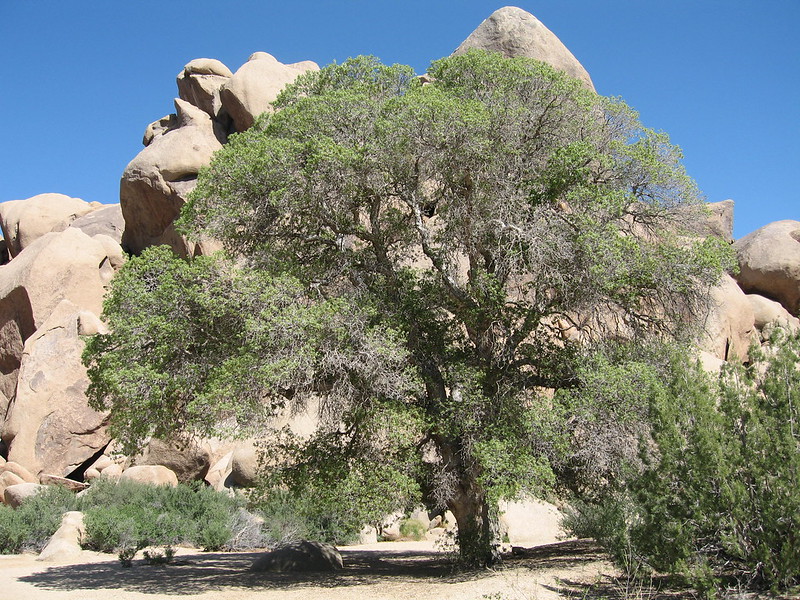
The wood of the pedunculate oak and the sessile oak (Quercus petraea) was historically used across Europe for shipbuilding until the 19th century and served as the main timber for building frames. Today, oak wood remains widely used in joinery, flooring, and veneer production.
Disclaimer: This article uses material from the Wikipedia articles Oak, Quercus robur, and Quercus rubra (contributors), which are released under the Creative Commons Attribution-ShareAlike 3.0 Unported License.